
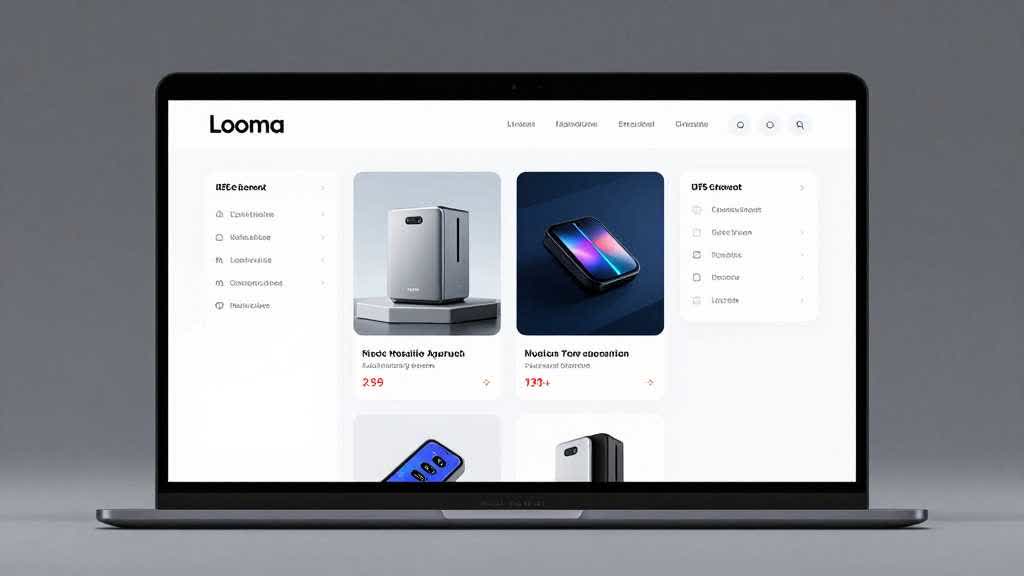
Looma has updated its detail page layout engine to make AI-assisted ecommerce content easier to structure, review, and reuse.
The update focuses on a common production problem: product teams often have enough facts, images, and selling points, but the final detail page still feels scattered. A stronger layout engine helps organize those inputs into modules with clearer jobs.
What Changed
The updated engine puts more emphasis on module order, section intent, and brand consistency. Instead of treating every generated block as a standalone piece of copy, the workflow now supports a more page-level view of how the story should unfold.
Why It Matters
For Amazon A+ content and broader ecommerce detail pages, structure can matter as much as copy quality. A good module sequence helps shoppers move from attention to trust to comparison to confidence.
That is especially useful for brands refreshing older listings, teams launching multiple SKUs, and operators who need a repeatable A+ production workflow.
What Sellers Should Do Next
- Prepare cleaner product facts before starting generation.
- Group selling points by buyer doubt, not by internal feature list.
- Review whether each module has a clear job.
- Use visuals to support one claim at a time.
How This Connects to Looma Content Workflows
This update supports the same direction as Looma's Amazon A+ Content AI workflow: helping ecommerce teams turn raw inputs into more usable product-page structure.
For a practical workflow, read how to use Amazon A+ Content AI and the A+ template guide.
Example Workflow for a Small Team
A three-person ecommerce team can use the update by first collecting product facts, then choosing the module order, then reviewing whether each section answers one shopper question. This keeps A+ planning practical instead of turning it into a design-only exercise.
AI-Ready Takeaway
AI detail page generation works best when the system understands not only what to say, but where each message belongs in the buying journey.
Where This Fits in the Product Detail Page Workflow
Amazon A+ Content is not the whole listing. It is the enhanced-content layer inside the broader Amazon product detail page (PDP). Before a seller writes modules, the page also needs accurate main images, useful secondary images, lifestyle scenes, clean product photos, and product facts that shoppers can trust.
For LoomaDesign, A+ work should connect to the wider product-visual workflow: Amazon listing images, AI product image enhancement, and AI product lifestyle images. Those assets give A+ modules better raw material instead of forcing the modules to carry the whole product story alone.