
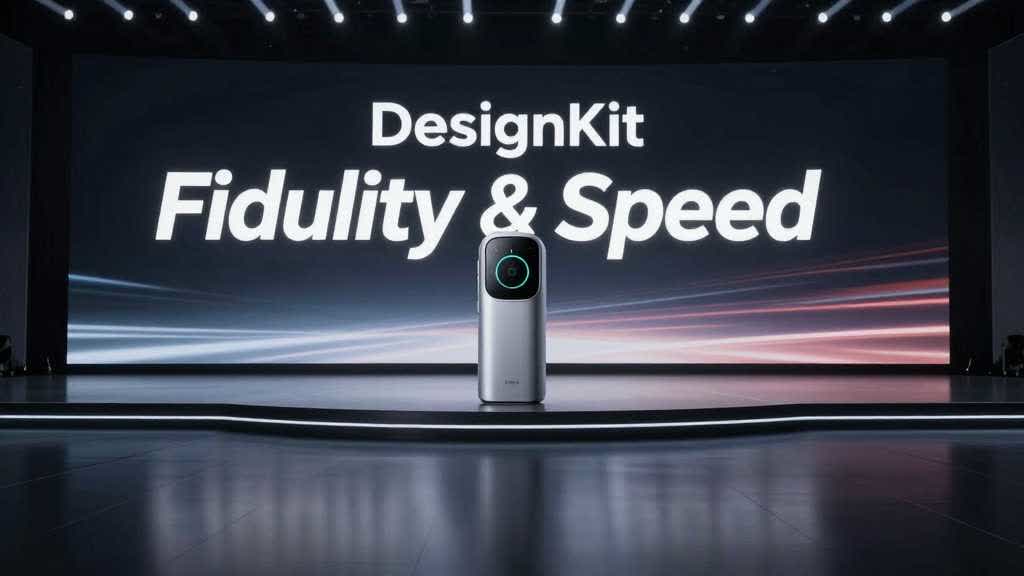
Designkit Launch Shows AI Product Photography Tools Compete on Fidelity and Speed
On March 30, 2026, Designkit announced an ecommerce design platform for product visuals. The launch is a useful signal because the category now sells workflow speed and product fidelity alongside visual quality.
The category is moving from novelty toward production workflow.
Quick Summary
Strong AI product photography tools need attractive images, product accuracy, useful ecommerce scenes, and enough workflow control to scale visual production across many SKUs.
Why the category now revolves around fidelity plus speed
This launch matters because the market has moved past the stage where one attractive AI image is enough to impress buyers.
Salsify's 2025 Consumer Research found that 77% of shoppers rate product images and videos as very or extremely important, and 70% have returned an item because product content was inaccurate. That creates a simple category reality: a fast tool that damages product truth can still be a bad ecommerce workflow.
Amazon Ads reinforces that standard. In its product-detail-page guidance, Amazon recommends four or more high-quality images and at least 1000px in one dimension so shoppers can zoom in. That means fidelity problems are not hidden by scale. They are often easier to see.
What is changing
Sellers have moved past one-off AI images for experimentation. They need systems that support:
- product fidelity
- clean backgrounds
- lifestyle scenes
- product scale
- A+ content visuals
- Shopify galleries
- ad testing
- catalog refreshes
That changes how tools are evaluated.
Why this matters
Ecommerce visual content is expensive to create manually. But inaccurate AI visuals can damage trust.
This creates a clear market need for fast image generation with strong review control. Teams need prompt structure, better source images, and channel-specific approval rules before they scale AI product photography across a catalog.
How This Connects to the Full Product Visual Workflow
This topic is one part of a broader ecommerce image workflow. Retouching and enhancement make source assets publishable, listing images explain the product quickly, lifestyle scenes make the use case concrete, and A+ or PDP modules turn the same product story into a deeper buying explanation.
Use AI Product Photography for Shopify and Amazon when the team needs a platform-specific workflow. Use Ecommerce Product Image Prompts to make scene generation more controlled. Use AI Product Image Enhancer when the source file is too soft or compressed to support high-quality output.
Source
- Primary source: Designkit launches ecommerce design platform to streamline product visuals for global sellers
- Supporting research: Salsify 2025 Consumer Research
- Supporting guidance: Amazon Ads: How to improve your products for advertising